Get CSIA/NFI-certified chimney technicians in Ohio who follow NFPA 211 and local regulations to evaluate, maintain, fix, and enhance your installation. You'll get documented draft and CO measurements, clearance checks, creosote analysis, and examination of caps, crowns, flashing, and liners. We offer HEPA sweeping, waterproofing, masonry restoration, stainless caps, top-sealing dampers, and EPA-certified inserts. Correct liner sizing and insulation boost safety and efficiency. Inquire about photo reports, permits, warranties, and insurance. Discover ways to choose the right provider and services now.
Core Insights
- We provide CSIA-certified safety inspections following NFPA 211 and Ohio code, featuring thorough reporting on draft evaluation, CO levels, required clearances, and detailed Level II reports backed by visual documentation.
- Professional chimney sweeping and creosote removal with specialized HEPA vacuum technology; regular seasonal servicing and draft regulation and moisture prevention to stop deposits from forming.
- Emergency response for carbon monoxide detectors, smoke issues, drafting problems, water damage, chimney deterioration, or blockage concerns.
- Our repair and waterproofing solutions cover crowns, caps, flashing, mortar restoration, and vapor-permeable sealers, plus wildlife exclusion using properly sized screens.
- We provide liner installations and efficiency enhancements, including durable stainless steel chimney liners, certified fireplace inserts, advanced sealing dampers, and precision draft control for enhanced safety and efficiency.
The Importance of Regular Chimney Inspections in Ohio
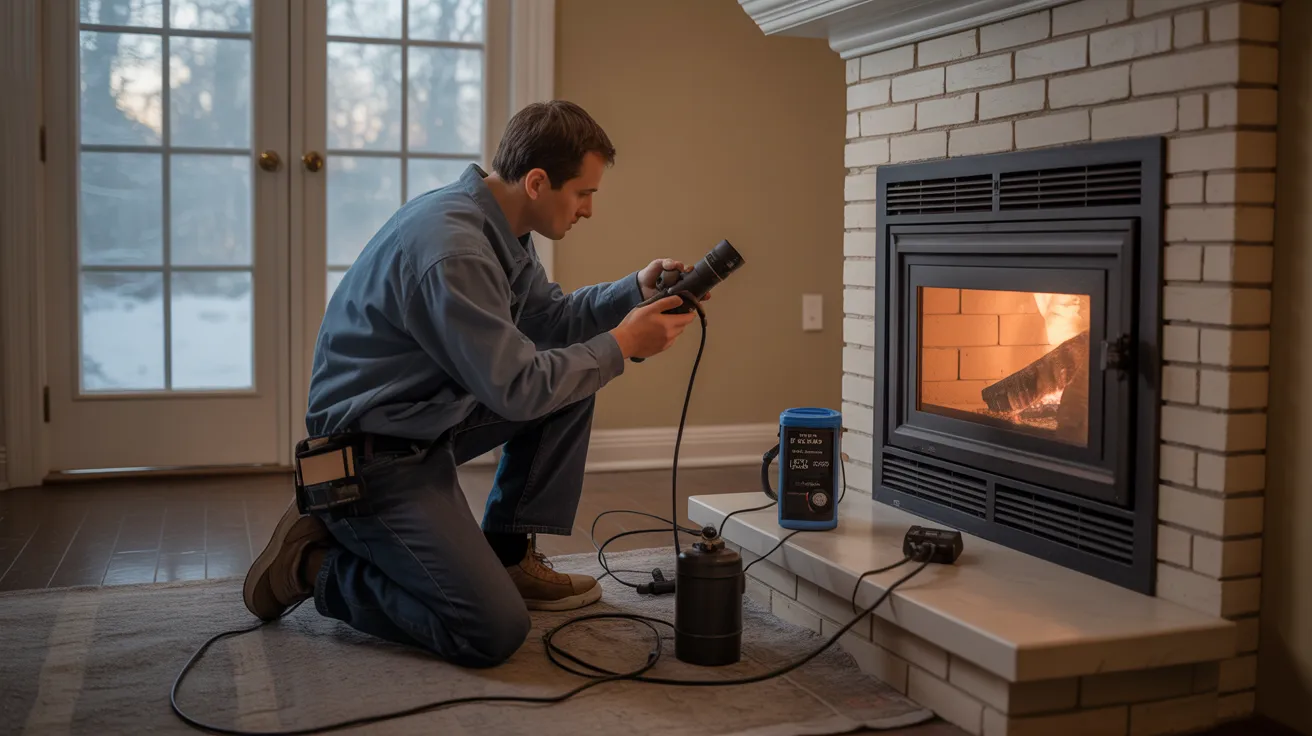
Even with minimal fireplace usage, Ohio's freeze-thaw cycles, heavy snowfall, and humid summers can swiftly damage masonry, flue liners, and caps. Periodic chimney inspections are necessary to verify structural integrity, proper clearances, and venting standards per NFPA 211 and local code. A certified technician will document creosote buildup, check for moisture problems, inspect crown and flashing, and ensure that termination devices and dampers function properly. They'll also check ventilation pathways and assess carbon monoxide hazards.
Professional evaluations assist with periodic maintenance by spotting developing issues including tiny mortar breaks, spalling masonry, and metal deterioration before major problems develop. You'll minimize fire risks, boost ventilation effectiveness, and prolong system longevity. Be sure to implement animal protection by confirming properly fitted covers and mesh configured to block birds, squirrels, and raccoons from creating habitats while maintaining proper airflow.
Signs Your Fireplace or Chimney Needs Immediate Attention
Routine maintenance catches issues before they escalate, but you should be alert to indicators that need quick professional service to meet requirements of NFPA 211 and Ohio building codes. When you detect persistent smoke odor, weak ventilation, or black residue, you may be dealing with a chimney obstruction or heavy creosote deposits that raises fire risk. Place carbon monoxide monitors and respond immediately to CO warnings. Look for dampness on surfaces near the chimney, which indicate a compromised cap. Pay attention to chimney pests and blockages. Examine for tilting, deteriorating stonework, or masonry deterioration demanding quick inspection. Difficult-to-start or slow-burning flames signal ventilation issues. Any exhaust backup, ember discharge, or dropping materials warrants a CSIA-certified inspection without delay.
Annual Cleaning and Creosote Removal Best Practices
For optimal safety and efficiency, book a CSIA-certified maintenance service at least once during each heating season - or more frequently if you use your fireplace often or notice Stage 2-3 creosote. This follows NFPA 211 guidelines and reduces creosote buildup. Consider booking during off-peak times to secure preferred dates. A certified professional will evaluate flue condition, draft performance, clearance requirements, and connector status, before eliminating built-up debris and creosote using specially designed poly or wire brushes and HEPA filtration systems.
You can contribute between uses by following these guidelines: stick get more info to seasoned hardwood (under 20% moisture), maintain proper air circulation to stop smoldering, and maintain flue temperatures steady. Mount a thermometer on stoves and verify smoke path components are properly sealed. After consuming each cord, examine for 1/8 inch deposits; if you find 1/4 inch, discontinue use until properly cleaned.
Professional Services: Masonry Repairs, Crowns, Caps & Waterproofing
After ensuring creosote levels are controlled, it's crucial to keep the structural stability and weather resistance of your chimney. Weather cycles in Ohio frequently harm the joints and brick structure, so plan joint restoration using ASTM-approved building materials and compatible joint tooling for present joint work. Repair deteriorated crowns using a reinforced, fiber-reinforced cement compound, properly angled and incorporating an protruding drainage edge for moisture control. Install or replace stainless-steel caps with corrosion-resistant fasteners and properly sized spark arrestors sized to the flue termination.
Prioritize the repair of flashing where roofs intersect, incorporating step and counter-flashing into mortar joints correctly. Follow NFPA 211 guidelines. Apply vapor-permeable waterproofing solutions to exterior masonry and avoid using film-forming sealers that can trap moisture. Document thoroughly all repairs, drying times, and warranties, and implement routine seasonal inspections to monitor effectiveness.
Understanding Chimney Liners: Types, Benefits, and Installation Guide
You'll choose the right liner material - whether it's stainless steel, aluminum, clay tile, or cast-in-place - is determined by the type of fuel, flue dimensions, and Ohio building codes. A properly selected liner optimizes draft, increases appliance efficiency, and protects masonry from damaging heat and condensation to preserve UL-listed clearances and NFPA 211 compliance. During the installation process, an authorized installer determines the dimensions of the liner, adds insulation as required, routes and secures the system, secures joints and termination, and carries out safety testing for safety verification.
Material Options for Liners
The process of selecting a suitable chimney liner material starts by aligning it with the equipment, fuel specifications, and local requirements. Stainless steel liners are versatile, long-lasting, and come UL-listed for gas, oil, and wood applications. You can opt for rigid stainless for vertical chimneys or flexible stainless for angular sections; select 316 steel for wood or oil burning and 304 for gas where allowed. Add insulation as needed to maintain safe clearances and correct exhaust temperatures.
Ceramic options consist of clay tile and cast-in-place systems. Clay provides a cost-effective option for new masonry work but requires appropriate sizing and intact joints. Cast-in-place systems reinforce aging chimneys and create a continuous, high-temperature-rated flue.
Evaluate corrosion classification, temperature shock endurance, and diameter sizing following NFPA 211 and manufacturer requirements. Remember to verify connection compatibility, terminal fittings, and Ohio code requirements before proceeding with installation.
Security and Performance
While the selection of liners starts with dimensional requirements and materials, operational safety and efficiency depend on how well the liner controls combustion products, heat, and draft under code-specified conditions. There must be an appropriately sized, uninterrupted flue passage to maintain proper draft, optimize fireplace ventilation, and prevent flue-gas cooling that results in acid or creosote buildup. Adequate insulation preserves chimney temperature, enhancing burn performance and decreasing combustion risks. Durable liners control moisture and carbon monoxide, preserving the masonry structure and adjacent flammable materials.
Match the liner diameter according to the appliance outlet per NFPA 211 and manufacturer listings; oversizing reduces draft, using too small a diameter elevates stack temperature and spillage. Confirm all connections and spacing meet gas-tight standards. Install carbon monoxide detectors on each floor and near sleeping areas. Schedule annual Level II assessments and record performance measurements: temperature, carbon monoxide levels, and draft parameters.
Installation Process Overview
The setup procedure involves building a uninterrupted, code-compliant flue system that matches the appliance and venting requirements. First, we validate the appliance BTU rating, fuel type, and chimney height to accurately dimension the liner according to NFPA 211 and manufacturer specifications. We secure local permit documentation, assess existing parameters, and arrange necessary inspections.
Subsequently, we make preparations for the flue, clear blockages, and install the specified liner (stainless metal), incorporating insulated components in areas where clearance-to-combustibles requires. We terminate with a listed cap, fasten top plate, and sealed thimble or appliance connector. We carry out smoke testing to ensure proper function.
Typically, retrofit work wraps up in just one day; however, complex offsets, masonry repairs, or rain delays might extend the project to two-three days. We'll provide the final inspection sign-off and all necessary documentation.
Efficiency Upgrades: Draft Control, Inserts, and Damper Systems
Improve efficiency and decrease emissions by adding a high-efficiency fireplace insert that's properly sized and vented to your flue. Install a weathertight, upper damper to prevent heat wastage, keep out moisture and pests, and comply with local mechanical and fire code requirements. Finally, enhance draft control with precision sealing, smoke-shelf and throat adjustments, and pressure-balancing solutions to stop smoke rollback and preserve safe operation.
High-Efficiency Fireplace Inserts
Enhance heating efficiency and reduce fuel consumption by adding a high-efficiency fireplace insert engineered to meet modern codes and EPA emissions standards. You'll transform an open masonry fireplace into a contained combustion system with a certified liner, thermal surround, and sealed door gaskets that improve efficiency and lower particulate emissions.
Pick a gas, wood, or pellet insert properly sized to accommodate the room's heating requirements to achieve optimal zone heating. We'll verify safe installation distances, hearth protection, and appropriate venting following NFPA 211 and Ohio Residential Code. Proper ventilation is essential: we connect the insert using a listed stainless liner, determine appropriate flue height, and optimize combustion air to reduce backdrafts.
Enjoy precise combustion, extended operation times, and reliable thermostatic management-plus improved operation, more straightforward maintenance, and lower fuel expenses.
Benefits of Top-Sealing Dampers
Many homeowners overlook the importance of a top-sealing damper, which provides crucial protection by closing off the flue at the top. This important component eliminates the escape of climate-controlled air, stops downward air movement, and keeps out unwanted moisture and pests. Through its superior sealing mechanism, it significantly reduces the column of cold air in the flue, enhancing energy retention and minimizing stack-effect heat loss during the long winter months in Ohio. Additionally, you'll preserve your flue from rain and snow damage, preventing frost-related deterioration and corrosion.
Installed using stainless hardware and a high-temperature gasket, and operates via a firebox-mounted cable. You must fully open the unit before kindling any fire to maintain proper combustion and safe venting per NFPA 211. Our team measure and anchor the frame to correspond to your flue tile, confirm lid travel and seal compression, and ensure smoke-tight closure for code-compliant performance.
Draft Control and Sealing
Getting draft control perfect starts with weatherproofing the complete setup throughout-firebox, throat, smoke chamber, flue, and cap-so combustion air and exhaust operate as planned without thermal inefficiency. You'll decrease unwanted airflow that reduces flue temperature, diminishes draft strength, and may lead to smoke spillage. We install regulation-meeting refractory repairs, apply smooth parging to chambers, restore clay joint integrity, and seal stainless liners with listed components. Then we tune airflow balancing: match flue dimensions, check makeup air requirements, and fine-tune damper operation for proper air pressure. Inserts receive precise-fitting frames and thermal-lined conduits to avoid air infiltration. We check combustible clearances, correct stack height, and CO safety measures. Lastly, we conduct pressure testing, verify draft readings, and maintain detailed records for your files.
Selecting a Qualified Chimney Specialist in Ohio
When selecting a professional to inspect, sweep, or repair your chimney in Ohio, be certain to confirm they possess valid, accepted certifications and satisfy state and local code requirements. Request CSIA or NFI certification and proof of ongoing education. Require written specifications, photo documentation, and code references for all Certified inspections. Verify they comply with NFPA 211, IRC/IMC, and manufacturer listings for installations, spacing, and endpoints.
Perform licensing checks through the Ohio Construction Industry Licensing Board where necessary, and verify the contractor carries Ohio-accepted workers' compensation and liability coverage. Ask for current local licensing and inspection sign-offs. Verify their BBB standing, documented training in gas appliances, and carbon monoxide testing equipment. Require comprehensive estimates, warranty terms, and a specific remediation plan for Level 2 findings upon completion of chimney relining or appliance replacement.
Questions and Answers
What's the Average Cost of Chimney and Fireplace Services in Ohio?
Expect to pay $100-$250 for a Level 1 sweep, $200-$400 for inspections, and $300-$1,200 for minor masonry or crown repairs. Full relining costs $1,500-$4,000; tuckpointing averages $8-$20 per linear foot. Installations or rebuilds vary widely by code and materials. Emergency service calls include $100-$300 for emergency response. Ask for detailed written specifications with NFPA 211 references and liability coverage documentation. Verify Level 2/3 inspections before property transfer or fire damage.
What Seasonal Discounts and Maintenance Plans Do You Offer?
Absolutely - various companies provide seasonal promotions and maintenance subscriptions. With heating-season demand spiking up to 30%, you'll benefit by booking in the off-season. Watch for special NFPA 211-compliant Level 1 inspections bundled with sweep services, priority scheduling, and multi-flue pricing. Regular maintenance packages often include leak inspections, cap/damper inspections, and CO/combustion safety verification. Check written scope, code compliance, and CSIA certification, and verify exclusions (masonry repairs, liners) before registering to preserve safety and warranty validity.
How Much Time Should I Allow for a Chimney Service Call?
Schedule an hour to hour and a half session. This duration includes initial setup, site access, and standard NFPA 211 inspection protocols. You will get a thorough Level I visual inspection, with draft testing and clearance verification, and a detailed technician checklist documenting the condition of your flue, cap, crown, firebox, and smoke chamber. When cleaning is necessary, add 30-60 minutes with professional HEPA vacuum equipment. Level II camera inspections or masonry repairs will require additional time. Please ensure your pets are contained and the firebox hasn't been used for 12 hours prior.
Are Chimney Permits and Inspections Required in Ohio Municipalities?
Absolutely - most Ohio localities demand inspection and permitting for chimneys. Picture sparks meeting dry leaves: these scenarios drive safety codes and building regulations. You'll typically need a permit for new fireplaces, relining, flue alterations, or height changes, with inspections at rough-in and final. Check local modifications to the residential building code, zoning requirements, and fire safety standards. Call your building department, submit plans, and schedule inspections to guarantee code compliance, insurance validity, and safe operation.
Can Wood, Gas, and Pellet Systems Be Serviced in a Single Visit
Absolutely, but this depends on whether the scope matches individual appliance specifications. You'll encounter different fuel types and venting differences, so a comprehensive check can include all systems, but maintenance requirements differ. Professionals check clearances, connectors, and terminations; assess draft, combustion air, and CO; and clean flues appropriate to wood, gas, and pellet systems. They adhere to NFPA 211 and manufacturer specs, record any issues, and recommend additional maintenance, replacement parts, or detailed testing as required.
Closing Remarks
Many believe the idea that Ohio's less severe winters mean chimneys don't need strict upkeep. Verify this yourself: take a look at your flue after just one season. You'll probably discover creosote buildup, freeze-damaged masonry, or a compromised cap-all NFPA 211 hazards. When you book Level I-II inspections, regulation-following cleanings, and UL-listed dampers or liners, you decrease ventilation problems, safety risks, and structural issues. Opt for a CSIA- or NFI-certified professional, check permits, and insist on written scope and photos. Safety and efficiency aren't seasonal. They're essential.